Introduction
Starting a business has become one of the most practical and realistic ways to achieve financial independence in today’s world. Unlike the past, when entrepreneurship required large capital and complex infrastructure, modern opportunities are far more accessible. With digital tools, online platforms, and changing consumer behavior, almost anyone can explore Small Business Ideas and turn them into a sustainable source of income.
For beginners, the idea of starting a business can feel both exciting and overwhelming. On one hand, there is the promise of freedom, flexibility, and unlimited earning potential. On the other hand, there is uncertainty about where to begin, what to choose, and how to avoid failure. This is completely normal, especially when stepping into entrepreneurship for the first time.
The truth is that most successful businesses do not start with huge investments or perfect plans. Instead, they begin with simple ideas that solve real problems. Over time, these ideas are refined, improved, and scaled based on market demand and customer feedback. This is why exploring Small Business Ideas is such an important first step—it helps you understand what opportunities exist and how they can be shaped into profitable ventures.
Another important factor is the shift in how people earn money today. Traditional job structures are no longer the only path to success. Many individuals are now building multiple income streams through freelancing, online businesses, home-based services, and digital entrepreneurship. This shift has created a huge demand for flexible and low-cost business models that beginners can start with limited risk.
However, success in business is not just about choosing any idea randomly. It requires understanding your strengths, analyzing the market, and selecting an idea that aligns with both demand and personal interest. Without proper direction, even the best opportunities can fail due to poor execution or lack of planning.
This guide on Small Business Ideas is designed to help beginners and intermediate learners understand the complete process of starting and growing a business. It breaks down complex concepts into simple steps so that anyone, regardless of background or experience, can follow along easily.
Throughout this article, you will learn how to identify profitable ideas, evaluate market demand, create a solid foundation, and avoid common mistakes that many beginners make. You will also discover practical strategies used by successful entrepreneurs to build and scale their businesses over time.
By the end, you will not only have a list of ideas but also a clear understanding of how to turn those ideas into real opportunities. The goal is to give you confidence, direction, and a realistic approach to starting your own journey in entrepreneurship.
In short, Small Business Ideas are not just about earning money—they are about creating independence, building skills, and opening doors to long-term financial growth. With the right mindset and approach, even a small idea can become the foundation of something meaningful and successful.
What Are Small Business Ideas?

Small Business Ideas refer to simple, low-investment business concepts that individuals or small teams can start to generate income. These businesses typically focus on serving a niche market or solving specific problems.
They can be operated online, offline, or in a hybrid model. Unlike large corporations, small businesses are easier to start and manage, making them ideal for beginners.
Some common examples include:
- Freelancing services (writing, design, programming)
- Home-based baking or cooking
- Online tutoring or coaching
- Digital marketing services
- Dropshipping or e-commerce stores
- Photography and videography
- Cleaning services
- Event planning
- Social media management
- Handmade crafts and products
These ideas often start small but can grow into successful full-time businesses over time.
Why Small Business Ideas Are Important ?

Small businesses play a major role in both personal and economic growth. They are not just income sources but also opportunities for creativity and independence.
Here’s why they matter:
- Economic Growth
Small businesses contribute significantly to job creation and economic development in local communities.
- Low Entry Barrier
Most small business ideas require low capital, making them accessible to almost anyone.
- Flexibility
Entrepreneurs can work at their own pace and choose their working hours.
- Skill Development
Running a business helps you learn marketing, finance, communication, and problem-solving skills.
- Independence
Instead of relying on a job, individuals can build their own income source.
Popular Categories of Small Business Ideas
To make it easier, small business ideas can be divided into several categories:
- Online Businesses
These include:
- Blogging
- Affiliate marketing
- Freelancing
- E-commerce
- Home-Based Businesses
Examples:
- Baking
- Tailoring
- Coaching
- Craft making
- Service-Based Businesses
Examples:
- Cleaning services
- Repair services
- Consultancy
- Creative Businesses
Examples:
Photography
Graphic design
Content creation
Each category has different investment levels and earning potential.
How to Choose the Right Small Business Idea
Choosing the right idea is the most important step in your journey.
Consider the following factors:
- Your Skills
Pick something that matches your strengths.
- Market Demand
Check if people actually need the product or service.
- Investment Capacity
Start within your budget to reduce risk.
- Competition Level
Avoid overly saturated markets unless you have a unique approach.
- Passion and Interest
Choose something you enjoy doing for long-term success.
Basic Requirements to Start a Small Business
Before starting, you may need:
- A clear business idea
- Basic startup capital
- Market research
- A simple business plan
- Branding (name, logo)
- Online presence (optional but powerful)
- Basic tools or equipment
Even simple preparation can increase your chances of success significantly.
Step-by-Step Guide to Starting a Small Business
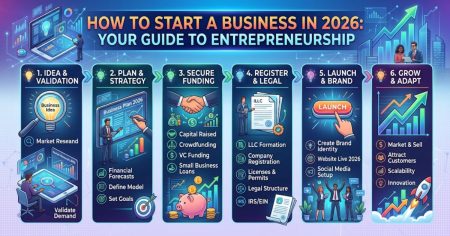
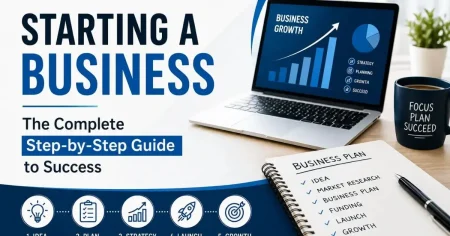
Starting a business becomes much easier when you follow a clear system instead of guessing. Below is a practical step-by-step process that works for most Small Business Ideas, whether online or offline.
Step 1: Identify a Profitable Idea
The first step is selecting the right business idea. This is where many beginners make mistakes.
A strong idea should have:
- Real customer demand
- Low to moderate startup cost
- Growth potential
- Your personal interest or skill match
For example, if you enjoy writing, freelancing or blogging could be ideal. If you like cooking, a home bakery might be better.
Avoid choosing ideas only based on trends. Instead, focus on long-term sustainability.
Step 2: Conduct Market Research
Once you select an idea, the next step is understanding your market.
Market research helps you answer:
- Who are your potential customers?
- What problems do they face?
- Who are your competitors?
- What price are customers willing to pay?
You can research using:
- Social media platforms
- Google search trends
- Competitor websites
- Customer reviews
This step ensures your Small Business Ideas are practical and demand-driven.
Step 3: Create a Simple Business Plan
A business plan acts as your roadmap.
It should include:
- Business goals
- Target audience
- Products or services
- Pricing strategy
- Marketing plan
- Estimated expenses
You don’t need a complicated document. Even a simple written plan can keep you focused and organized.
Step 4: Arrange Startup Capital
Every business needs some level of investment, even if small.
Your budget may include:
- Equipment or tools
- Marketing expenses
- Website or domain
- Raw materials
- Licensing fees (if required)
If funds are limited, start small and reinvest profits into growth.
Step 5: Choose a Business Name and Branding
Your brand is how people recognize your business.
A good brand includes:
- A memorable business name
- A simple logo
- Consistent colors and style
- Clear messaging
Strong branding builds trust and helps you stand out in competitive markets.
Step 6: Register Your Business (If Required)
Depending on your location and business type, you may need legal registration.
This can include:
- Business name registration
- Tax registration
- Local permits or licenses
Even small businesses benefit from legal compliance because it increases credibility.
Step 7: Build an Online Presence
Today, almost every successful business has an online presence.
Even local businesses benefit from being visible online.
You can create:
- A basic website
- Social media pages (Facebook, Instagram, LinkedIn)
- Google Business Profile
This helps customers find you easily and builds trust.
Step 8: Start Marketing Your Business
Marketing is essential for attracting customers.
Effective strategies include:
- Social Media Marketing
Post regularly on platforms where your audience is active.
- Word of Mouth
Encourage satisfied customers to recommend your business.
- Content Marketing
Share useful content related to your product or service.
- Local Marketing
For offline businesses, distribute flyers or network locally.
- Paid Ads (Optional)
Use small advertising budgets on Google or social media.
Without marketing, even the best Small Business Ideas may fail.
Step 9: Deliver Quality Service
Customer satisfaction is the foundation of any successful business.
Focus on:
- High-quality products or services
- Fast response time
- Honest communication
- On-time delivery
Happy customers often return and refer others, helping your business grow naturally.
Step 10: Track Performance and Improve
Always monitor your business performance.
Check:
- Monthly profit and loss
- Customer feedback
- Sales trends
- Marketing effectiveness
Improvement is a continuous process in every successful business.
Benefits of Small Business Ideas
Starting a small business offers many advantages:
- Low startup investment
- Flexible working schedule
- Independence from traditional jobs
- Unlimited income potential
- Skill development opportunities
- Ability to work from home
- Direct customer interaction
- Opportunity for long-term growth
These benefits make small businesses attractive for beginners.
Risks of Starting a Small Business
While opportunities are great, risks also exist.
Common risks include:
- Uncertain income in early stages
- High competition in some industries
- Financial loss if poorly planned
- Time management challenges
- Difficulty in acquiring customers
- Economic fluctuations
Understanding these risks helps you prepare better and avoid surprises.
Common Mistakes Beginners Make
Many new entrepreneurs fail due to avoidable mistakes such as:
- Starting without research
- Ignoring customer needs
- Underpricing services
- Overspending at the beginning
- Lack of marketing efforts
- Giving up too early
- Not tracking finances
Avoiding these mistakes significantly increases your chances of success.
FAQs
What are the best small business ideas for beginners?
Some of the best beginner-friendly Small Business Ideas include freelancing, tutoring, home baking, digital marketing services, and dropshipping. These require low investment and can be started from home. The key is to choose something that matches your skills and market demand.
How much money is needed to start a small business?
The startup cost depends on the type of business. Some online businesses can start with very little investment, while physical businesses may require more. On average, many small businesses can begin with a modest budget and grow gradually by reinvesting profits.
Can I start a small business while working a job?
Yes, many people start part-time businesses while working full-time jobs. This allows financial stability while testing your idea. Over time, if the business becomes profitable, you can transition into full-time entrepreneurship.
How long does it take for a small business to become profitable?
Profitability depends on industry, effort, and strategy. Some businesses may become profitable within a few months, while others may take a year or more. Consistency, marketing, and customer satisfaction play a big role in success speed.
Do small businesses require registration?
Not always, but registration is recommended. Legal registration builds trust, ensures compliance, and helps in long-term growth. Requirements vary depending on your country and business type.
What is the biggest challenge in small businesses?
The biggest challenge is often acquiring customers and maintaining consistent sales. Competition and financial management are also major challenges for beginners in Small Business Ideas.
Expert Tips for Small Business Success
Success in business doesn’t happen randomly. It comes from smart decisions and consistent effort. Here are expert tips to help you succeed:
- Start Small but Think Big
Begin with a simple version of your idea. Avoid overinvesting at the start. Focus on learning and improving.
- Focus on Solving Problems
Successful businesses solve real customer problems. The more valuable your solution, the more customers you attract.
- Build Strong Customer Relationships
Good communication and trust lead to repeat customers. Always treat customers with respect and professionalism.
- Keep Marketing Consistent
Even if you get customers, never stop marketing. Consistent visibility keeps your business growing.
- Reinvest Profits
Instead of spending early profits, reinvest them into marketing, tools, or improving your services.
- Learn Continuously
Markets change quickly. Stay updated with trends, tools, and customer behavior to stay competitive.
- Track Everything
Monitor your:
- Income
- Expenses
- Customer feedback
- Sales performance
This helps you make better decisions.
Bonus Business Growth Strategies
If you want to grow your Small Business Ideas into a strong income source, consider these strategies:
- Expand Your Services
Add new services or products over time to attract more customers.
- Build an Online Brand
Even local businesses benefit from online presence through websites and social media.
- Automate Repetitive Tasks
Use tools for scheduling, billing, or customer management to save time.
- Focus on Customer Retention
It is cheaper to retain customers than to find new ones. Offer loyalty benefits or discounts.
- Collaborate with Others
Partnerships with other small businesses can increase your reach.
Conclusion
Choosing the right Small Business Ideas can genuinely change the direction of your life when approached with patience, planning, and consistency. In today’s competitive but opportunity-rich world, starting small is no longer a limitation. Instead, it is often the smartest way to enter the market, test your abilities, and gradually build something meaningful without taking unnecessary financial risks.
A successful business does not depend only on having a great idea. It depends on how well you understand your customers, how consistently you improve your services, and how seriously you treat your growth process. Many beginners assume that success comes quickly, but in reality, most profitable businesses are built step by step through learning, trial, and continuous adjustment.
When you explore different Small Business Ideas, the goal should not only be earning money but also creating value. Businesses that solve real problems always stand stronger than those built only on trends. Whether you choose freelancing, e-commerce, home-based services, or digital work, the foundation remains the same: deliver value, build trust, and stay consistent.
Another important factor is mindset. Entrepreneurship requires resilience. There will be moments of uncertainty, slow growth, or unexpected challenges. However, these challenges are part of the learning process. Instead of giving up early, successful entrepreneurs analyze what went wrong, make improvements, and continue forward with better strategies.
Financial discipline is also essential. In the beginning stages, reinvesting profits into marketing, tools, or skill development can significantly speed up growth. Many small businesses fail not because of lack of demand, but because of poor money management and inconsistent effort.
Equally important is adaptability. Markets change, customer needs evolve, and competition increases over time. Businesses that survive and grow are those that adapt quickly, learn new skills, and embrace change instead of resisting it. Staying updated with trends in your industry can give you a strong competitive advantage.
Building a strong brand presence is another long-term factor. Even the simplest Small Business Ideas can become powerful income sources if they are backed by trust, good communication, and a recognizable identity. Customers remember businesses that treat them well, respond quickly, and consistently deliver quality.
At the same time, you should never underestimate the importance of starting. Many people spend years thinking about business ideas but never take action. In reality, progress only begins when you start working on your idea, even in its simplest form. You do not need perfection at the beginning; you need momentum.
To summarize, small business success comes from a combination of the right idea, proper planning, consistent execution, and continuous improvement. If you stay committed and focused, even a small start can grow into a stable and profitable venture over time.
Every successful entrepreneur once stood exactly where you are now—at the beginning, with an idea and uncertainty. The difference is that they took action and kept going despite challenges.
Your journey with Small Business Ideas starts with one decision: to begin. Take that step with confidence, stay consistent with your efforts, and keep improving along the way. Over time, those small efforts can transform into a strong business that supports your financial goals and creates long-term stability.
The opportunity is already available. What matters now is how you use it.